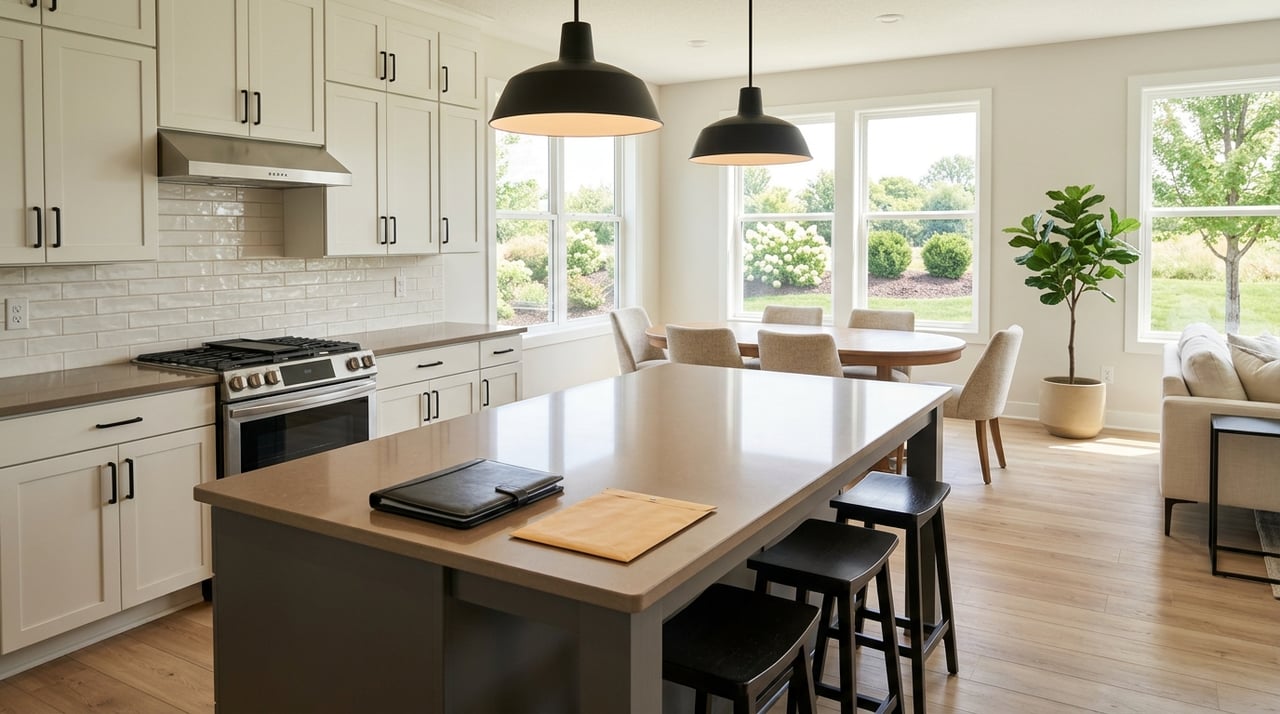
Coordinating Your Freehold Home Sale And Next Purchase
July 23, 2026
July 23, 2026
If you’re trying to sell your Freehold home and buy the next one at the same time, you already know the biggest challenge is timing. One home may move faster than expected, the other may take longer, and small delays can create big stress when two transactions overlap. The good news is that with a clear plan, strong communication, and the right timing strategy, you can make the move feel far more manageable. Let’s dive in.
Freehold is a competitive market, and that affects both sides of your move. Redfin reports that homes in Freehold receive about three offers on average and sell in roughly 36 days, while Zillow says homes go pending in about 14 days and counted 129 homes for sale as of May 31, 2026. In Monmouth County, the broader market had a median sale price of $722,832, a median market time of 19 days, and a 101.4% sale-to-list price in May 2026.
For you, that means the market can move quickly, but not always in a perfectly predictable way. Your current home might attract attention fast, while your next purchase may require quick decisions and a strong offer structure. When both deals need to line up, even a short delay can affect closing dates, moving plans, and temporary housing needs.
One number never tells the whole story in a moving market. Redfin reported a closed-sale median price in Freehold of $454,728 for the three months ending May 2026, while Zillow’s home value index for Freehold was $647,566 as of May 31, 2026.
Those numbers are not interchangeable because they measure different things. What matters most for your planning is using current comparable sales and a pricing strategy built around your specific home, timeline, and goals. If your sale price is off, it can delay your listing, affect your budget for the next purchase, and put pressure on the entire move.
Before you decide when to list or what homes to tour next, get clear on your financing. NJ REALTORS notes that pre-approval shows sellers you are in a strong financial position, which can make a time-sensitive or contingent offer more credible.
If you need proceeds from your current home to buy your next one, that should be part of the conversation early. Your price range, down payment, and offer strategy all depend on understanding what your sale is likely to produce and how your lender views the overlap. Starting here helps you make decisions with real numbers instead of rough guesses.
In New Jersey, a signed contract is not always fully settled the moment both parties sign. NJ REALTORS explains that the buyer or seller may have an attorney review the contract, and that review must be completed within three business days unless it is extended.
That attorney-review period matters when you are trying to coordinate two closings. A deal may look done on paper, but it is not legally binding until that review period ends without disapproval. If you are buying and selling at the same time, your timeline should account for that step from the start.
New Jersey also updated seller disclosure requirements. The Division of Consumer Affairs lists the Seller’s Property Condition Disclosure Statement and Flood Risk Addendum as effective August 1, 2024, and the state requires sellers to disclose known flood history and flood-hazard information before sales contracts are signed.
This is one reason early preparation matters so much. If you gather disclosures and property details before your home hits the market, you reduce the chance of last-minute delays while you are also trying to negotiate and schedule your next purchase.
Insurance is another step that can sneak up on you. NJ REALTORS says homeowner’s insurance must be in place at closing, and most homeowner’s policies do not cover flood damage, so separate flood insurance may be needed depending on the property.
If the home you are buying has flood exposure, that extra step can affect your closing timeline. It is much easier to manage when it is part of the early plan rather than a surprise near the finish line.
There is no one-size-fits-all solution for a buy-sell move. The right approach depends on your finances, your comfort with risk, your flexibility, and how competitive the specific homes are.
Here are some of the most common ways buyers and sellers bridge the gap.
A home-sale contingency means your purchase depends on selling your current home first. This can protect you from owning two homes at once or moving forward before your sale is complete.
The tradeoff is competitiveness. In a market where many Freehold homes receive multiple offers and some buyers waive contingencies, a home-sale contingency may be less appealing to a seller unless the rest of your offer is especially strong.
A home-close contingency means you have already sold your current home, but your purchase depends on that sale fully closing before you buy the next property. This can offer more certainty than a home-sale contingency while still protecting your timing.
For many move-up buyers, this is a useful middle ground. It shows progress on your sale while helping reduce the risk of your closings missing each other.
A rent-back clause allows you to sell your current home and stay in it for an agreed period after closing. This can give you extra time to finish your purchase and move without rushing.
In the right situation, a rent-back can be one of the cleanest solutions. It lets you unlock your sale proceeds while avoiding a same-day move.
An early move-in clause can allow a buyer to occupy the next home before closing if both sides agree. This is less common, but it can help if your sale closes first and your purchase is close behind.
Because it adds moving parts, it needs clear terms and careful coordination. It works best when both parties are flexible and the timeline is short.
Sometimes the simplest solution is a short gap between homes. If your sale closes before your purchase is ready, temporary housing can reduce the pressure to force a rushed deal.
That option has a cost, of course. Zillow reported an average asking rent in Freehold of $2,874 in May 2026, up 4.7% year over year, so it is worth comparing that expense against the financial and emotional cost of carrying two homes or making a hurried buying decision.
Your list price does more than attract showings. It can directly shape how smoothly your next purchase comes together.
Redfin reported a 99.1% sale-to-list ratio in Freehold in May 2026, with 40.1% of homes selling above list price and 20.8% seeing price drops. That mix suggests a market where strong pricing can help a home move, while overpricing can slow your timeline and make it harder to line up the next closing.
If you price too high and need to adjust later, your buying plans may have to change too. If you price strategically from day one, you improve your odds of attracting serious buyers and keeping your purchase timeline intact.
When two transactions overlap, broad target dates are not enough. You need a plan built around the actual milestones that can move a deal forward or slow it down.
Your timeline may include:
This is where an organized, team-based process can make a real difference. When your sale and purchase involve pricing decisions, contract timing, paperwork, communication, and moving logistics all at once, steady coordination helps reduce missed details and last-minute stress.
Selling one home while buying another can feel like trying to solve a puzzle where the pieces keep shifting. In Freehold, that challenge is even more real because the market can move quickly, pricing can vary by data source and property type, and New Jersey timing rules add important checkpoints.
The goal is not to force a perfect scenario. The goal is to create a plan that gives you options, protects your timing as much as possible, and keeps the process moving with fewer surprises. With the right pricing, early preparation, financing clarity, and coordinated support, you can move from one home to the next with more confidence.
If you’re preparing for a buy-sell move in Freehold, Sackman Realty - 2nd site can help you build a clear strategy, coordinate the moving parts, and navigate the process with steady communication from start to finish.
At Haven Group, real estate is about more than transactions—it’s about helping people feel confident and supported through every step of the journey. Backed by a collaborative team approach, we provide clear communication, honest guidance, and seamless service for buyers, sellers, and investors from start to finish.
Get In Touch To Learn More
The Haven Group
513 Cookman Ave Asbury Park, NJ 07712